You Won’t Believe How Simple Staying Healthy Can Be
Staying healthy doesn’t have to mean drastic changes or expensive supplements. For years, I struggled with low energy and frequent colds—until I started paying attention to what I ate. Small, smart food choices made a noticeable difference. This article breaks down practical, science-backed dietary habits that support long-term wellness. No hype, no extreme rules—just real guidance to help you build a stronger, more resilient body from the ground up.
The Hidden Problem: Why So Many People Get Sick Without Knowing Why
Many women between the ages of 30 and 55 find themselves constantly tired, battling one cold after another, or struggling to stay focused during the day. Often, they assume it’s just part of aging or the result of a busy schedule. But more often than not, the real culprit lies on their plates. Poor daily eating habits—such as skipping breakfast, relying on processed convenience foods, or consuming too much sugar—can quietly weaken the immune system over time. These habits may not cause immediate illness, but they create a foundation for long-term vulnerability.
Nutrition plays a central role in how well the body defends itself against infections and inflammation. When essential nutrients are missing from the diet, immune cells cannot function at their best. For example, a lack of vitamin D, commonly found in fatty fish and fortified foods, has been linked to increased susceptibility to respiratory infections. Similarly, insufficient intake of antioxidants from fruits and vegetables can leave the body less equipped to fight off free radicals, which contribute to cellular damage. Over time, these small deficiencies accumulate, making it harder for the body to respond quickly and effectively when illness strikes.
Consider the common scenario of feeling exhausted by mid-afternoon, no matter how much coffee is consumed. This energy crash is often tied to blood sugar fluctuations caused by eating refined carbohydrates like white bread, sugary cereals, or packaged snacks. These foods cause a rapid spike in blood glucose, followed by a sharp drop—leading to fatigue, irritability, and cravings. When this cycle repeats daily, it not only affects mood and concentration but also places chronic stress on the body’s metabolic systems, indirectly weakening immune resilience.
Another overlooked issue is dehydration. Many people do not drink enough water throughout the day, mistaking thirst for hunger or relying on caffeinated beverages that can actually increase fluid loss. Even mild dehydration can impair cognitive function, reduce physical stamina, and slow down the body’s natural detoxification processes. The result? A system running below capacity, more prone to minor illnesses and slower recovery times. Recognizing these subtle yet powerful influences is the first step toward meaningful change.
Preventive Healthcare Starts on Your Plate
Preventive healthcare is often associated with annual check-ups, blood tests, or screenings—but one of the most powerful forms of prevention happens every time you sit down to eat. Food is not just fuel; it is information for your body. Each meal sends signals that influence inflammation levels, hormone balance, and immune activity. Viewing food as daily medicine shifts the focus from treating disease to building health from the inside out. This mindset is especially valuable for women managing family responsibilities, careers, and personal well-being.
Certain nutrients play well-documented roles in supporting immune function. Vitamin C, found in citrus fruits, bell peppers, and broccoli, helps stimulate the production of white blood cells. Zinc, present in pumpkin seeds, lentils, and lean meats, supports wound healing and immune cell development. Fiber, abundant in whole grains, legumes, and vegetables, feeds beneficial gut bacteria, which in turn help regulate immune responses. Rather than relying on supplements, the goal should be to obtain these nutrients through a varied, whole-foods-based diet.
Think of your immune system like a security team that needs good fuel to stay alert. If the guards are underfed or given poor-quality energy sources—like processed snacks high in sugar and unhealthy fats—they become sluggish and less responsive. But when they’re consistently nourished with nutrient-dense foods, they remain vigilant and ready to act at the first sign of trouble. This analogy makes it easier to understand why consistent, balanced eating matters more than occasional “superfoods” or short-term diets.
Another key concept is the link between gut health and overall immunity. About 70% of the immune system resides in the gut, where trillions of microbes interact with food and help train immune cells. A diet rich in diverse plant foods supports a diverse microbiome, which is associated with better immune regulation and lower risk of chronic conditions. On the other hand, a limited diet high in processed foods can reduce microbial diversity, leading to imbalances that may contribute to inflammation and weakened defenses.
Preventive nutrition is not about perfection. It’s about patterns. Eating well isn’t primarily about weight management—it’s about creating a body that can resist illness, recover faster, and maintain energy and clarity throughout life’s demands. By making thoughtful choices most of the time, you give your body the tools it needs to protect itself before problems arise.
My Simple Shift: What Changed When I Fixed My Diet
Like many women juggling work, family, and household responsibilities, I used to rely on quick fixes for meals. Breakfast was often a pastry or nothing at all. Lunch came from a drive-thru, and dinner depended on what could be thrown together after a long day. I told myself I was too busy to cook, but the truth was that I didn’t prioritize my own health. The consequences showed up in constant fatigue, frequent colds, and digestive discomfort that I assumed was just normal.
The turning point came when I missed my child’s school event due to yet another viral infection. That moment made me ask: Is this really as good as it gets? I began researching how food affects energy and immunity, and I decided to make one small change at a time. First, I committed to drinking a glass of water as soon as I woke up. Then, I started adding a piece of fruit to my breakfast, even if it was just an apple with peanut butter. These tiny steps felt manageable and didn’t require overhauling my entire routine.
Next, I began packing simple lunches—like a salad with beans, vegetables, and olive oil dressing, or leftovers from a healthier dinner. I also made it a rule to include at least one vegetable with every evening meal. At first, the changes didn’t seem to make a big difference. But within three weeks, I noticed fewer afternoon headaches, my digestion improved, and I stopped catching every cold that went around the office.
One of the most surprising benefits was emotional stability. I had always assumed my mood swings were hormonal, but as I reduced sugary snacks and stabilized my blood sugar, my energy levels evened out, and so did my emotions. I felt calmer, more focused, and more capable of handling daily stress. It wasn’t a dramatic transformation—it was gradual, sustainable progress built on consistency, not willpower.
This experience taught me that health isn’t about extreme diets or expensive products. It’s about making better choices, one meal at a time. You don’t need to be perfect. You just need to start. And when you do, your body will respond in ways you may not expect—but will deeply appreciate.
The 3 Core Habits That Actually Work (No Gimmicks)
After years of trial and error—and reviewing scientific studies on nutrition and immunity—I’ve identified three dietary habits that consistently deliver results. These are not fads or complicated regimens. They are simple, evidence-based practices that support long-term health without requiring drastic lifestyle changes.
The first habit is eating a variety of colorful plants. This means including fruits and vegetables of different colors—red tomatoes, orange carrots, dark leafy greens, purple eggplants, and yellow peppers—in your meals. Each color represents different phytonutrients, which are natural compounds that help protect cells and reduce inflammation. For example, lycopene in tomatoes supports heart health, while anthocyanins in blueberries may enhance brain function. The broader the spectrum on your plate, the wider the range of protective benefits your body receives.
Why does this matter? A diverse plant intake has been linked to lower risks of chronic diseases, including heart disease, type 2 diabetes, and certain cancers. It also supports a healthy gut microbiome, which, as previously mentioned, plays a crucial role in immune function. How can you make this habit stick? Start by adding one extra serving of vegetables to your daily meals. Try a “rainbow plate” challenge once a week, or keep frozen mixed vegetables on hand for quick side dishes. The goal is variety over time, not perfection in every meal.
The second habit is prioritizing fiber-rich foods. Dietary fiber is found in whole grains, legumes, fruits, vegetables, nuts, and seeds. Despite its importance, most adults consume far less than the recommended 25–30 grams per day. Fiber helps regulate digestion, supports healthy cholesterol levels, and feeds beneficial gut bacteria. It also promotes satiety, helping to prevent overeating and energy crashes.
Why is fiber essential for immunity? A healthy gut lining acts as a barrier against harmful pathogens, and fiber helps maintain its integrity. Additionally, gut bacteria ferment fiber to produce short-chain fatty acids like butyrate, which have anti-inflammatory effects and help regulate immune responses. To increase your fiber intake, replace refined grains with whole grains like oats, quinoa, or brown rice. Add beans to soups and salads, snack on apples or pears with the skin, and include chia or flaxseeds in yogurt or smoothies.
The third habit is reducing added sugar. This does not mean eliminating all sweets, but becoming aware of hidden sugars in processed foods like sauces, cereals, and packaged snacks. The average American consumes over 17 teaspoons of added sugar daily—far above the recommended limit of 6 teaspoons for women. High sugar intake has been shown to suppress immune cell activity for several hours after consumption, making the body more vulnerable to infections.
How can you cut back without feeling deprived? Read ingredient labels and look for terms like high-fructose corn syrup, cane sugar, or maltose. Choose unsweetened versions of foods like yogurt or plant-based milk. Satisfy sweet cravings with whole fruits, which provide natural sugars along with fiber, vitamins, and antioxidants. Over time, your taste buds will adapt, and overly sweet foods will begin to taste unpleasant. These three habits—eating colorful plants, increasing fiber, and reducing added sugar—form a strong foundation for lasting health.
What to Eat—And What to Skip—Without Feeling Deprived
Changing your diet doesn’t mean giving up enjoyment or living in restriction. The goal is not to eliminate all indulgences but to make smarter, more informed choices most of the time. This section offers practical guidance on navigating common food decisions with balance and confidence.
Start by understanding the difference between whole foods and processed foods. Whole foods are those that are minimally altered from their natural state—such as fresh vegetables, whole grains, eggs, and plain nuts. Processed foods, especially ultra-processed ones, often contain added sugars, unhealthy fats, sodium, and artificial ingredients. While occasional convenience foods are fine, relying on them regularly can lead to nutrient gaps and increased inflammation.
For breakfast, instead of sugary cereals or pastries, try oatmeal topped with berries and a spoonful of nut butter, or scrambled eggs with spinach and whole-grain toast. These options provide sustained energy, fiber, and protein, helping you stay full and focused until lunch. For lunch, skip the fast-food sandwich and opt for a homemade salad with mixed greens, grilled chicken, avocado, and a vinaigrette dressing. If time is short, prepare meals in advance or use leftovers creatively.
Snacking is another area where small changes make a big difference. Instead of chips or candy bars, keep cut vegetables with hummus, a piece of fruit with a handful of almonds, or plain Greek yogurt with cinnamon. These snacks stabilize blood sugar and provide nutrients that support brain and body function. When grocery shopping, read labels carefully. Choose products with short ingredient lists and recognizable components. Avoid items with long lists of unpronounceable additives or multiple forms of sugar listed near the top.
Dinner doesn’t have to be complicated. Simple meals like baked salmon with roasted sweet potatoes and broccoli, or a stir-fry with tofu, brown rice, and mixed vegetables, are nutritious and easy to prepare. Cooking at home gives you control over ingredients and portion sizes. It also creates opportunities to involve family members in healthy eating, turning meals into moments of connection and care.
The key is progress, not perfection. Allow yourself flexibility. If you eat out or enjoy a dessert, do so mindfully and without guilt. Deprivation often leads to bingeing, but balance leads to sustainability. By making whole foods the foundation of your diet, you naturally crowd out less healthy options without feeling like you’re missing out.
Building a Resilient Body: How Food Strengthens Your Defenses Over Time
Good nutrition is not just about avoiding illness today—it’s about building a body that can withstand challenges tomorrow. Think of your body as a garden. What you plant every day—through your food choices—determines what grows. Nutrient-rich foods cultivate strength, energy, and resilience, while poor dietary patterns plant seeds of fatigue, inflammation, and vulnerability.
One of the most powerful long-term benefits of healthy eating is reduced chronic inflammation. While acute inflammation is a natural immune response to injury or infection, chronic low-grade inflammation is linked to many serious conditions, including heart disease, arthritis, and certain cancers. Diets high in processed foods, sugar, and unhealthy fats promote inflammation, while those rich in fruits, vegetables, whole grains, and healthy fats help calm it. For example, omega-3 fatty acids found in fatty fish, walnuts, and flaxseeds have well-documented anti-inflammatory properties.
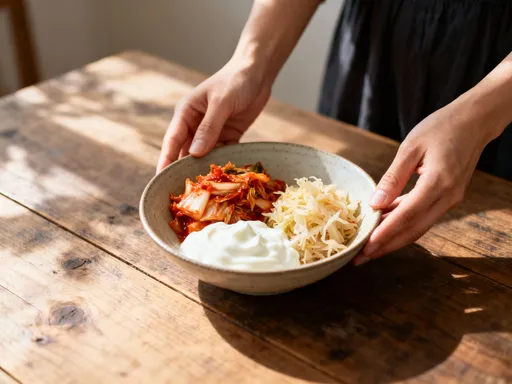
Gut health is another cornerstone of long-term resilience. A balanced gut microbiome supports not only digestion but also immune regulation, mood stability, and even skin health. Eating a wide variety of plant-based foods provides the prebiotic fiber that beneficial bacteria need to thrive. Fermented foods like yogurt, kefir, sauerkraut, and kimchi can also introduce beneficial probiotics, further supporting gut balance. Over time, these choices help create a more robust internal environment that resists disease rather than inviting it.
Additionally, consistent healthy eating supports cellular repair and slows age-related decline. Antioxidants from colorful fruits and vegetables neutralize free radicals that damage cells. Adequate protein intake helps maintain muscle mass, which naturally decreases with age. Hydration supports kidney function and skin elasticity. These benefits may not be immediately visible, but they accumulate silently, contributing to a stronger, more capable body in the years to come.
The power of daily choices cannot be overstated. One healthy meal won’t transform your health, but a lifetime of them can. Each decision to eat a vegetable, drink water, or choose whole grains over refined ones is an investment in your future well-being. Over months and years, these small actions build a foundation of strength that allows you to live fully, actively, and with greater peace of mind.
Making It Stick: How to Build Habits That Last
Knowing what to do is one thing; doing it consistently is another. Many people start with enthusiasm but struggle to maintain changes over time. The secret to lasting success is not willpower—it’s strategy. Building sustainable habits requires patience, self-compassion, and realistic planning.
Start small. Instead of overhauling your entire diet overnight, focus on one manageable change at a time. For example, commit to adding one extra serving of vegetables to dinner for two weeks. Once that feels routine, add another habit, like drinking more water or reducing sugary drinks. Small wins build confidence and create momentum.
Track your progress without obsession. Use a simple journal or app to note meals, energy levels, or mood changes. This isn’t about perfection or punishment—it’s about awareness. Seeing patterns over time can be motivating and help you identify what works best for your body.
Be kind to yourself when you slip up. Everyone has days when convenience wins or stress leads to less healthy choices. What matters is not the occasional misstep but the overall pattern. Instead of giving up after a setback, acknowledge it and gently return to your goals. Self-criticism undermines motivation, while self-compassion supports long-term change.
View healthy eating as a lifelong act of self-care, not a short-term fix. It’s not about fitting into a smaller dress size or meeting someone else’s expectations. It’s about honoring your body, protecting your health, and creating space for energy, joy, and presence in your daily life. Every meal is an opportunity to invest in a stronger, more resilient future.
Preventive healthcare begins with awareness. When you understand how food influences your energy, immunity, and long-term well-being, you gain the power to make informed choices. You don’t need expensive supplements or extreme diets. You just need to start where you are, use what you have, and do what you can. Over time, those small, consistent actions add up to something remarkable: a healthier, more vibrant life, built one meal at a time.