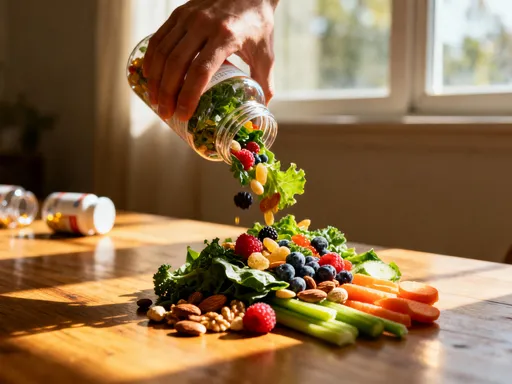
Why I Stopped Relying on Vitamin Supplements — And What Real Nutrition Taught Me
For years, I popped vitamins like candy, believing I was doing my body a favor. But fatigue, mood swings, and constant cravings told a different story. It wasn’t until I stepped back and rethought my diet from the ground up that things changed. Turns out, no pill can replace the power of real food. This is what I learned about the hidden pitfalls of supplements — and the lasting benefits of true dietary balance.
The Supplement Trap: How I Got Hooked on Vitamins
Like many women in their thirties juggling family, work, and household responsibilities, I wanted to feel in control of my health. I started taking a daily multivitamin, then added vitamin C for immunity, B-complex for energy, and fish oil for brain support. Before long, my bathroom cabinet was filled with bottles promising better skin, stronger bones, and sharper focus. I followed trends from wellness blogs and social media, believing that more supplements meant better protection against illness and aging. Taking them became part of my morning ritual — a small act that made me feel proactive and responsible.
But despite this regimen, I still felt tired by mid-afternoon. My moods fluctuated, and I often reached for sugary snacks between meals. I blamed stress or lack of sleep, never questioning whether my reliance on supplements might be part of the problem. I assumed that because I was investing in my health — both time and money — I was doing everything right. The idea that I could be missing something fundamental never crossed my mind. It wasn’t until a routine check-up revealed normal nutrient levels despite my symptoms that I began to wonder: were these pills really helping, or was I just going through the motions?
The emotional attachment to supplements was stronger than I realized. Each bottle represented a promise — of vitality, of prevention, of control. When I skipped a dose, I felt uneasy, as if I’d failed my body. This psychological dependence masked a deeper truth: I was using supplements as a substitute for addressing the root causes of my fatigue and cravings. Instead of examining my diet, sleep quality, or stress levels, I kept adding more pills, hoping one would finally make the difference.
The Reality Check: When Science Meets Hype
Curious and concerned, I began researching what science actually says about vitamin supplementation. What I found was surprising. Numerous studies, including large-scale reviews published in reputable medical journals, show that for most people who eat a varied diet, taking multivitamins does not significantly reduce the risk of chronic diseases like heart disease or cancer. In some cases, high-dose supplements may even be harmful. For example, excessive intake of fat-soluble vitamins such as A, D, E, and K can accumulate in the body and lead to toxicity over time. Unlike water-soluble vitamins, which are excreted when consumed in excess, these stored vitamins require careful monitoring.
Another key insight was the concept of bioavailability — how well the body can absorb and use a nutrient. Synthetic vitamins often lack the natural co-factors found in whole foods that enhance absorption. For instance, isolated iron supplements may cause digestive discomfort and are less efficiently absorbed than iron from lentils or spinach eaten with vitamin C-rich foods. Similarly, calcium from supplements has been linked in some studies to an increased risk of kidney stones and cardiovascular issues when not balanced with other nutrients like magnesium and vitamin K2 — nutrients naturally present in food sources like leafy greens and fermented dairy.
Mineral imbalances are another underrecognized risk. Taking high doses of one mineral can interfere with the absorption of others. Zinc, for example, is often taken to support immunity, but long-term use without copper can lead to copper deficiency, which affects nerve function and blood health. These interactions highlight why isolated nutrients, removed from their natural context, can disrupt rather than support the body’s balance. The human body evolved to receive nutrition in complex, synergistic forms — not in isolated, concentrated doses.
Why Food Always Wins: The Power of Nutrient Synergy
One of the most transformative ideas I encountered was the food matrix effect — the way nutrients in whole foods work together to enhance health benefits. This synergy cannot be replicated in a pill. For example, tomatoes contain lycopene, an antioxidant linked to reduced risk of prostate issues and heart disease. But lycopene is better absorbed when tomatoes are cooked and consumed with a source of healthy fat, like olive oil. The combination of heat and fat transforms the nutrient into a more usable form — something no supplement can mimic.
Another powerful example is the relationship between vitamin C and plant-based iron. Non-heme iron from beans, tofu, and spinach is less easily absorbed than the heme iron found in meat. However, when paired with vitamin C-rich foods like bell peppers, citrus, or broccoli, absorption can increase significantly. This natural pairing is common in traditional diets — think of lentil soup with lemon juice or a spinach salad with strawberries. These combinations are not accidents; they are the result of generations of intuitive eating wisdom.
Fatty acids also play a crucial role in nutrient uptake. Vitamins A, D, E, and K are fat-soluble, meaning they require dietary fat for proper absorption. Eating a salad with avocado or dressing made from olive oil helps the body utilize these vitamins far more effectively than taking a supplement on an empty stomach. Whole foods naturally package these elements together — carrots with a drizzle of oil, yogurt with added berries, or nuts alongside fruit. The body recognizes these combinations and processes them efficiently, whereas synthetic supplements often bypass these natural pathways.
Common Pitfalls of the Supplement-First Mindset
One of the most damaging aspects of relying on supplements is how easily they allow us to overlook the real foundations of health. I realized I had been using my multivitamin as a safety net — a justification for skipping vegetables or eating processed meals. If I had my pill, I told myself, I was still “getting my nutrients.” This false sense of security prevented me from making meaningful changes to my diet. I wasn’t nourishing my body; I was outsourcing the responsibility to a bottle.
Supplements also masked deeper issues like poor sleep, chronic stress, and irregular meal patterns. Instead of addressing why I felt tired, I reached for a B-vitamin boost. Rather than improving my eating habits, I relied on probiotics to fix digestion. While these supplements may offer temporary relief, they do not resolve the underlying causes of imbalance. True energy and resilience come from consistent, high-quality nutrition, adequate rest, and emotional well-being — not from a quick fix in capsule form.
There’s also a financial cost to consider. Over several years, I spent hundreds of dollars on supplements that provided little measurable benefit. Many women in my circle shared similar experiences — stocking up on the latest trending products, only to let them expire in the back of the cabinet. Beyond the money, there’s an emotional toll. The constant search for the “perfect” supplement can create anxiety and a sense of inadequacy, as if we’re never doing enough for our health. This cycle keeps us focused on external solutions rather than building internal resilience through sustainable habits.
Back to Basics: The Dietary Principles That Actually Work
Letting go of the supplement habit meant returning to the fundamentals of eating. I shifted my focus to whole, minimally processed foods — foods my grandmother would have recognized. I began filling my plate with colorful vegetables, whole grains like quinoa and brown rice, lean proteins such as chicken, fish, and legumes, and healthy fats from avocados, nuts, and olive oil. These foods became the foundation of every meal, not an afterthought.
Consistency mattered more than perfection. I stopped chasing extreme diets or trying to eat “perfectly” every day. Instead, I aimed for balance and variety over time. One day might include a hearty lentil stew with carrots and tomatoes, the next a baked salmon with roasted sweet potatoes and broccoli. By rotating ingredients and flavors, I naturally covered a broad spectrum of nutrients without needing to track every vitamin or mineral.
Digestive health became a priority. I learned that even the most nutritious foods won’t benefit the body if they aren’t properly absorbed. I started paying attention to meal timing, chewing thoroughly, and including fiber-rich foods to support gut function. Fermented foods like plain yogurt and sauerkraut became regular parts of my diet, contributing to a healthier microbiome. I also reduced my intake of ultra-processed foods, which can inflame the gut and interfere with nutrient uptake. These changes didn’t happen overnight, but over months, I noticed fewer digestive issues and more stable energy levels.
When Supplements *Do* Make Sense: Knowing the Exceptions
After stepping away from unnecessary supplements, I also came to appreciate that there are legitimate situations where they can be helpful — but only under the right circumstances. The key is personalization and professional guidance. For example, vitamin D deficiency is common, especially in regions with limited sunlight or among individuals who spend most of their time indoors. Blood tests can confirm low levels, and in such cases, a doctor may recommend a vitamin D supplement to restore balance.
Similarly, women following plant-based diets may need to pay special attention to vitamin B12, which is primarily found in animal products. Since the body stores B12 for years, deficiency may not appear immediately, but it can lead to fatigue, nerve issues, and cognitive changes over time. For those at risk, a B12 supplement — especially in sublingual or injectable form — can be an important safeguard. Prenatal vitamins are another well-supported use case, providing essential nutrients like folic acid, iron, and iodine during pregnancy to support fetal development.
The crucial difference is intentionality. These uses are based on individual needs, confirmed through testing and medical advice, not on trends or assumptions. I now view supplements as targeted tools, not daily habits. If I suspect a deficiency, I consult a healthcare provider and get tested before starting anything. This approach prevents overuse and ensures that any supplement I take serves a clear, evidence-based purpose.
My Journey Forward: Balancing Wisdom, Not Pills
Letting go of the supplement habit was not about rejecting science or modern medicine — it was about reclaiming a more grounded, holistic approach to health. My daily routine now centers on mindful eating: planning meals, shopping for fresh ingredients, and cooking at home. I read labels less and rely more on how food looks, smells, and feels. I’ve learned to trust my body’s signals — hunger, fullness, energy levels — rather than relying on external fixes.
The changes have been profound. My energy is more stable throughout the day. I no longer experience the mid-afternoon crash that used to send me reaching for caffeine or sugar. My mood feels more balanced, and I sleep more soundly. These improvements didn’t come from a single breakthrough but from the cumulative effect of small, consistent choices — choosing whole grains over refined ones, adding vegetables to every meal, drinking water instead of sugary beverages.
Regular check-ups confirm what I feel: my nutrient levels are optimal, my blood pressure is healthy, and my overall resilience has improved. I still take a vitamin D supplement during the winter months, based on my doctor’s recommendation and blood work. But it’s an exception, not the rule. I’ve also developed a deeper respect for the wisdom of traditional eating patterns — the Mediterranean diet, Asian-style vegetable-rich meals, and seasonal eating — all of which emphasize balance, variety, and enjoyment.
This journey has taught me that health is not a product you can buy. It’s a practice — one built on daily choices, self-awareness, and respect for the body’s innate ability to heal and thrive. I no longer look for shortcuts. Instead, I focus on creating a lifestyle that supports long-term well-being, not just quick fixes. The most powerful medicine I have is not in a bottle. It’s on my plate, in the care I put into preparing my meals, and in the peace I feel knowing I’m nourishing myself with real, whole food.