How I Caught It Early: My Science-Backed Health Monitoring Routine
What if a simple daily habit could reveal health issues before symptoms appear? For years, I ignored subtle body signals—until science showed me how tracking basics like sleep, heart rate, and energy levels could flag early warnings. This isn’t about fear; it’s about empowerment. Using accessible tools and consistent observation, I discovered patterns that led to timely medical check-ins. Early intervention isn’t luck—it’s strategy. Here’s how monitoring transformed my approach to staying ahead of potential health risks.
The Wake-Up Call: Recognizing the Need for Proactive Health Tracking
It started with fatigue—nothing dramatic, just a persistent lack of energy that no amount of coffee seemed to fix. At first, I dismissed it as stress or aging. I was in my early 40s, managing a household, working part-time, and juggling family responsibilities. Tiredness felt normal. But over several months, other small changes appeared: my clothes fit tighter, I needed more time to recover after light walks, and I began waking up unrested despite sleeping seven or eight hours. These weren’t alarming symptoms on their own, but together, they formed a pattern I could no longer ignore.
A routine visit to my healthcare provider revealed slightly elevated blood pressure and borderline high blood sugar levels. There were no diagnoses yet, but the message was clear: I was entering a preclinical phase of metabolic imbalance. My doctor explained that without changes, I was at increased risk for type 2 diabetes and cardiovascular disease. What struck me most was not the numbers themselves, but the realization that I had missed months—possibly years—of opportunity to intervene. I had been waiting for a crisis instead of listening to the quiet signals my body had been sending.
This experience became my wake-up call. I began researching how ordinary people could monitor their health proactively, not just reactively. I learned that many serious conditions develop silently, with early signs detectable long before symptoms become severe. Waiting until something feels wrong often means the condition is already advanced. Proactive health tracking isn’t about obsessing over every heartbeat or calorie—it’s about developing awareness, catching shifts early, and giving yourself the best chance for effective intervention. It’s the difference between managing disease and preserving wellness.
What Is Health Monitoring, and Why It’s More Than Just Numbers
Health monitoring is the regular observation of physiological and behavioral indicators to assess overall well-being and detect early signs of change. It goes beyond occasional doctor visits or lab tests. Instead, it involves consistent, real-time tracking of key markers such as resting heart rate, sleep quality, energy levels, mood, blood pressure, and physical activity. The goal is not to diagnose but to identify trends—subtle shifts over time that may indicate underlying imbalances. These trends can prompt timely conversations with healthcare providers, leading to earlier evaluations and interventions.
One of the most important lessons I learned is that a single measurement means very little in isolation. For example, a high heart rate one morning could be due to poor sleep, caffeine, or stress—not a medical problem. But if resting heart rate gradually increases over weeks, that trend may signal cardiovascular strain or hormonal changes. Similarly, occasional sleep disruption is normal, but a steady decline in deep sleep duration could point to metabolic or emotional health concerns. It’s the consistency of data over time that transforms random readings into meaningful insights.
Equally important is the non-numeric side of monitoring: how you feel. Energy levels, mental clarity, emotional stability, and physical comfort are subjective but powerful indicators. Science supports the value of self-reported symptoms in early detection. Studies have shown that patients who track their daily well-being are more likely to notice changes and seek care earlier than those who don’t. Health monitoring, therefore, blends objective data with personal experience, creating a more complete picture of health than either could provide alone. It turns passive observation into active awareness.
The Science Behind Early Intervention: How Small Changes Signal Bigger Risks
Many chronic diseases have a preclinical phase—a period during which biological changes are occurring, but symptoms haven’t yet appeared. Conditions like hypertension, insulin resistance, and early-stage heart disease can develop over years without obvious warning signs. During this time, the body is sending signals, but they’re often too subtle to notice without deliberate tracking. Research shows that identifying and addressing health issues in this early window can significantly improve long-term outcomes. For example, a study published in *The Lancet* found that early detection of prediabetes through routine monitoring reduced the progression to type 2 diabetes by up to 58% with lifestyle intervention.
The body functions like a finely tuned system, and small disruptions can ripple into larger problems. Elevated resting heart rate, for instance, has been linked in multiple studies to increased cardiovascular risk, even in otherwise healthy individuals. Changes in sleep architecture—such as reduced REM or deep sleep—have been associated with metabolic dysfunction and cognitive decline. These markers don’t guarantee disease, but they serve as red flags that something may be out of balance. When monitored consistently, they allow for earlier investigation and action, often before irreversible damage occurs.
What makes early intervention so powerful is its preventive nature. Treating a condition in its earliest stages is typically less invasive, more effective, and less costly than managing advanced disease. For example, adjusting diet and activity levels in response to rising blood sugar can restore normal metabolism, whereas uncontrolled diabetes may eventually require medication, strict monitoring, and carry risks of complications. Early detection doesn’t eliminate risk, but it shifts the balance in favor of control and choice. It transforms health from a reactive crisis into a proactive journey.
Tools That Work: Accessible Devices and Methods for Everyday Tracking
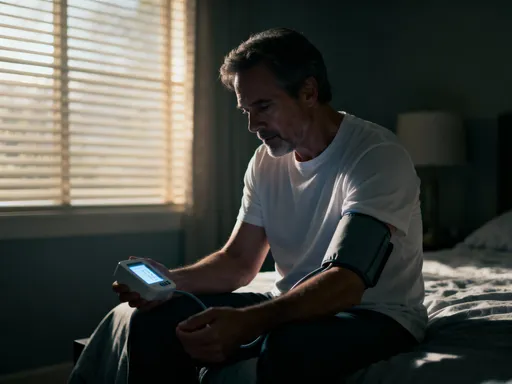
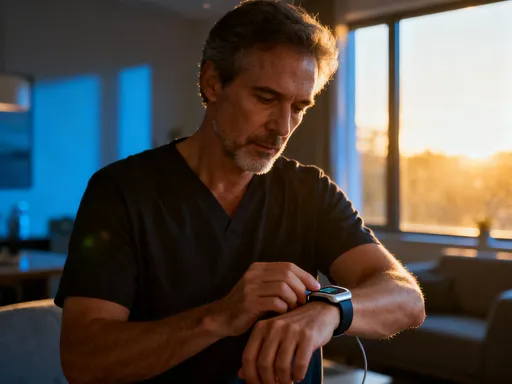
The good news is that effective health monitoring doesn’t require expensive equipment or medical training. A range of accessible tools can help track key indicators from home. Wearable devices, for example, can continuously measure heart rate, sleep stages, and physical activity with reasonable accuracy. Blood pressure monitors and glucometers are widely available for home use and provide reliable readings when used correctly. Mobile applications allow users to log mood, energy, diet, and symptoms over time, creating visual trends that are easy to interpret.
What matters most is consistency, not perfection. Using a device once in a while won’t reveal patterns. But checking blood pressure at the same time each week, logging energy levels each evening, or wearing a tracker during sleep can generate valuable data over time. The key is to choose tools that fit your lifestyle and that you can use regularly. Some people prefer digital solutions; others find a simple journal just as effective. The goal is sustainability—building a routine you can maintain without feeling overwhelmed.
At the same time, it’s important not to become overly reliant on technology. Devices can malfunction, sensors can be inaccurate, and data can be misinterpreted. That’s why combining objective measurements with subjective awareness is essential. If your tracker says you slept well but you wake up feeling exhausted, trust your body. If your heart rate is normal but you feel unusually anxious or weak, that’s worth noting. Technology should support your intuition, not override it. Used wisely, these tools become partners in health—extensions of your attention, not replacements for it.
Building a Sustainable Monitoring Routine: Simple Steps Anyone Can Follow
Creating a health monitoring routine doesn’t have to be complicated. The most effective systems are simple, consistent, and integrated into daily life. Start by identifying the three to five indicators most relevant to your health goals. For many women in midlife, these might include sleep quality, energy levels, blood pressure, mood, and physical activity. Choose one or two tools to track them—whether a wearable, a home device, or a notebook. The goal is to gather enough data to spot trends, not to collect every possible metric.
A morning check-in can include measuring blood pressure, noting energy level on a scale of 1 to 10, and observing mood. An evening reflection might involve logging sleep duration, reviewing physical activity, and recording any physical or emotional changes. Once a week, take a few minutes to review the data: Did blood pressure trend upward? Did energy dip on certain days? Are there patterns linked to diet, stress, or routine changes? These weekly summaries help identify what’s normal for you and what might need attention.
To avoid burnout, keep the routine realistic. Tracking everything every day can become overwhelming and unsustainable. Instead, focus on consistency over intensity. Missing a day isn’t failure—it’s part of being human. The goal is long-term awareness, not perfection. Over time, monitoring becomes second nature, like brushing your teeth or locking the door at night. It’s not about adding stress; it’s about building a habit that supports peace of mind and long-term well-being.
From Data to Action: Knowing When to Seek Medical Advice
One of the most empowering aspects of health monitoring is knowing when to take action. Not every change requires a doctor’s visit—some fluctuations are normal. Daily variations in heart rate, sleep, or mood are expected and often related to lifestyle factors. But persistent trends—such as a gradual increase in blood pressure over several weeks, a steady decline in energy, or recurring episodes of unexplained fatigue—warrant professional evaluation. These are not emergencies, but they are important signals that something may need attention.
When you have tracked your health consistently, you bring valuable information to your healthcare provider. Instead of saying, “I don’t feel right,” you can say, “My resting heart rate has increased from 68 to 78 over six weeks, and I’ve been more fatigued even with the same activity level.” This kind of specific, time-based data helps doctors assess potential issues more accurately and decide whether further testing is needed. It transforms the conversation from vague concern to informed discussion.
It’s crucial to remember that monitoring does not replace medical diagnosis. It is a tool for early awareness, not self-diagnosis. If a trend raises concern, the next step is consultation—not self-treatment. Never start or stop medications based on home readings alone. Instead, use your data to support professional care. Early detection is most effective when it leads to timely, evidence-based intervention. Monitoring puts you in a stronger position to partner with your healthcare team, advocate for your health, and make informed decisions.
Long-Term Benefits: How Monitoring Transforms Your Relationship with Health
Over time, consistent health monitoring changes how you think about wellness. It shifts the focus from fear and uncertainty to knowledge and control. Instead of dreading check-ups or waiting for something to go wrong, you develop a sense of ownership over your health. You learn what’s normal for your body, recognize early signs of imbalance, and respond proactively. This preventive mindset reduces anxiety because you’re no longer passive—you’re engaged, informed, and prepared.
The long-term benefits extend beyond physical health. Many women report improved emotional well-being, greater confidence in their health choices, and a stronger sense of agency. Monitoring becomes a form of self-care—a daily commitment to listening to your body and honoring its needs. It encourages healthier habits, not out of fear, but out of respect for your long-term quality of life. When you see how sleep affects energy, or how stress impacts blood pressure, you’re more likely to make supportive choices.
Ultimately, health monitoring is not a temporary fix or a response to a single scare. It’s a lifelong practice of awareness and prevention. It’s about investing in wellness before problems arise, catching changes early, and maintaining vitality through the years. For me, it started with fatigue and a doctor’s warning. But it led to a deeper understanding of my body and a renewed commitment to proactive care. Early detection isn’t about living in fear—it’s about living with intention. And that makes all the difference.