What If Your Child’s Everyday Moments Could Boost Their Intelligence?
Have you ever wished you could hold onto the little things—your child’s first joke, their excited explanation of a school project, or the way they sing themselves to sleep? These fleeting moments do more than warm our hearts. Captured the right way, they can actually help sharpen your child’s memory, focus, and learning skills. With simple, everyday tech tools, you’re not just saving memories—you’re building a smarter, more confident learner. Let’s explore how.
The Hidden Power of Daily Moments
Think about your morning routine. Maybe your child chattered about the ants they saw on the sidewalk, or explained why their sandwich had to be cut diagonally, not straight across. These aren’t just cute quirks—they’re windows into a growing mind at work. Every time your child describes something that happened, they’re practicing language, organizing thoughts, and reinforcing memory. But here’s the truth: most of these golden exchanges disappear as quickly as they come. We don’t write them down. We don’t record them. And over time, we lose not just the words, but the chance to deepen what they mean.
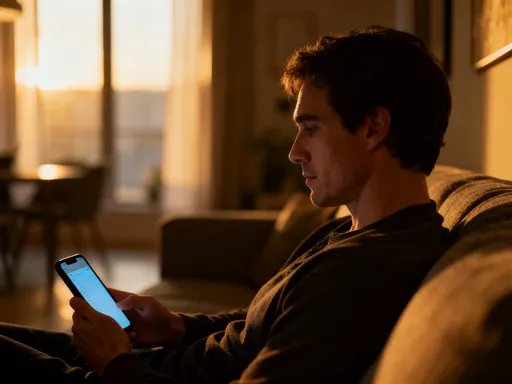
Now, what if I told you that you already have everything you need to change that? You don’t need special equipment or hours of extra effort. That smartphone in your pocket, the tablet by the couch, even your cloud storage account—these aren’t just for emails and photos. They can become quiet allies in your child’s learning journey. The magic isn’t in high-tech gadgets; it’s in how we use them. When we pause to capture a moment—just a quick voice note, a short video, or even a typed-out quote—it shifts from passing chatter to something meaningful. It becomes a tool for reflection, growth, and connection.
I remember when my niece, Maya, was six and obsessed with weather. Every afternoon, she’d give a full ‘forecast’ from her backyard, complete with hand-drawn clouds and dramatic wind effects. Her mom started recording those little sessions—not for anyone else, just for them. Months later, when Maya was nervous about a school presentation, her mom played back an old clip. “Look how clearly you explained thunderstorms,” she said. “You’ve been doing this kind of thing for a long time.” That moment wasn’t just comforting—it reminded Maya of her own voice, her own capability. That’s the power of preserving the ordinary. It turns everyday talk into evidence of growth.
How Remembering Builds Smarter Minds
We often think of memory as just a mental filing cabinet—something that stores facts or dates. But for kids, memory is more like a muscle that strengthens every time it’s used. When a child recounts their day, explains a drawing, or retells a story, they’re not just repeating words. They’re rebuilding the experience in their mind, making connections, and turning scattered moments into knowledge. This is called reconstructive memory, and it’s one of the most important tools for learning.
Let’s say your child comes home talking about a science experiment—maybe mixing baking soda and vinegar to make a volcano. If they just tell you about it once, they might remember the fizz, the color, maybe the smell. But if they describe it again later—perhaps because you ask, “What made it bubble so fast?”—they have to dig deeper. They recall the steps, name the materials, and maybe even guess why it worked. That second pass isn’t just repetition. It’s deeper thinking. It’s how the brain turns experience into understanding.
And here’s where technology quietly steps in. When we record these moments, we create a chance for that second pass—without pressure. No quizzes. No flashcards. Just the natural act of revisiting. A child listens to themselves explaining something weeks ago and thinks, “Wait, I didn’t even know that back then!” That realization builds confidence. It also strengthens neural pathways, making it easier to learn new things in the future. Studies in cognitive development show that children who regularly reflect on their experiences develop better reading comprehension, stronger problem-solving skills, and even improved emotional regulation. They learn not just what they know, but how they learn.
So the next time your child launches into a long story about their Lego tower or why the dog barked at the mailman, don’t just smile and nod—consider hitting record. Not for the world to see, but for them to hear later. That moment isn’t just a memory. It’s a building block for a sharper, more thoughtful mind.
Turning Chats into Learning Records
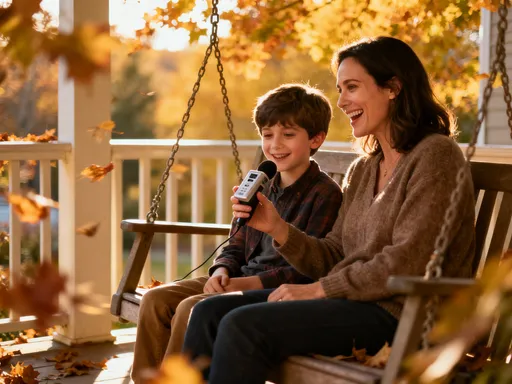
You don’t need a studio or fancy gear to start. All you need is the device you already use every day. Think about it: your phone is always with you. It has a voice memo app. It can take videos. It stores files in the cloud. These aren’t just tools for work or scrolling—they can be used to create a personal learning journal for your child. And the best part? It doesn’t have to feel like a project. It can be as simple as saying, “Hey, can you tell me again how your robot worked?” and pressing record while they explain.
Imagine your child coming home from a school field trip to the zoo. Instead of just asking, “How was it?” you invite them to narrate their favorite part. “Tell me about the penguin exhibit like you’re a tour guide.” Record it. Save it in a folder labeled “Zoo Day – Age 7.” Later, when they’re learning about animal habitats in class, you can pull it up and say, “Remember when you described how the penguins huddled together? That was your first explanation of survival in cold climates.” Suddenly, their own words become a teaching tool.
Or picture bedtime. Your child makes up a story about a dragon who only eats broccoli. You laugh, but you also record it. A month later, during writing time at school, they’re stuck. You play the clip. “You came up with this whole world in five minutes. You’re a storyteller.” That’s not just encouragement—that’s proof. And over time, these recordings become a timeline of growth. You can hear their vocabulary expand, their sentences grow longer, their ideas become more complex. It’s like watching a plant grow, but with sound and voice.
Some parents worry this feels staged or forced. But it doesn’t have to be. The key is to keep it natural. Don’t say, “We’re doing a learning exercise now.” Instead, say, “I love how you explain things. Can I save this so we can listen later?” Make it about their voice, not your agenda. Use everyday moments—car rides, walks, cooking together—as opportunities. Even a 30-second clip of your child describing how they set the table can become a moment of reflection on order, routine, and responsibility. These aren’t just recordings. They’re living records of learning.
Making Review a Natural Habit
Capturing the moment is only half the journey. The real transformation happens when you—and your child—go back and listen. But let’s be honest: life is busy. We don’t need one more task on our list. So how do we make reviewing these moments feel easy, even enjoyable?
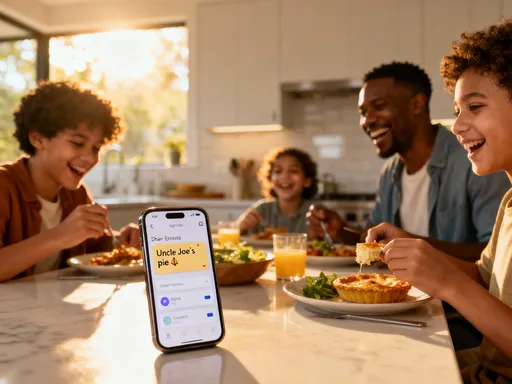
The answer is to attach it to something you’re already doing. Think of it like pairing a new habit with an old one. Maybe Sunday evenings are calm in your house. That’s when you make pancakes, and the kids color. While they’re eating, play a short clip from the past week—something funny, something proud. “Remember when you taught us all the dinosaur names?” Laughter follows. Then a question: “How many can you name now?” No pressure. Just connection.
Or use car rides. Long drives can be tough, but they’re also golden opportunities. Instead of defaulting to cartoons, try a “Memory Road Trip.” Play old recordings—maybe a birthday speech, a school play rehearsal, a silly song they made up. Let them giggle at their younger voice. Let them say, “I can’t believe I used to say ‘wabbit’ instead of ‘rabbit.’” That’s not just nostalgia. It’s self-awareness. It’s them seeing their own progress with their own ears.
You can also create a shared folder on your device or in the cloud—something simple like “Our Voice Memories” or “Growing Up Loud.” Let your child help name it. Let them choose which clips go in. You might set a gentle reminder once a month to look back together. Not every clip needs deep analysis. Sometimes, just hearing, “I did that!” is enough. The goal isn’t perfection. It’s presence. It’s showing your child that their thoughts matter, their voice is valued, and their growth is worth celebrating—even in the smallest ways.
Strengthening Bonds While Boosting Brains
Here’s something beautiful that happens when you start preserving these moments: the focus shifts from performance to connection. You’re not asking, “Did you get an A?” You’re saying, “I remember when you figured that out all by yourself.” That kind of attention builds something deeper than confidence—it builds emotional security.
When a child knows their parent is truly listening—not just hearing, but remembering and valuing their words—they feel seen. And when a child feels seen, they’re more likely to take risks, ask questions, and keep trying, even when something is hard. Think about it: if every time you spoke, someone saved it, replayed it, and said, “That was brilliant,” wouldn’t you feel more willing to share your next idea?
Technology, in this case, becomes invisible. The phone isn’t a distraction. The cloud isn’t just storage. They’re vessels for love and attention. I’ll never forget watching a mom play a recording of her son’s first attempt at riding a bike. He was wobbly, scared, and said, “I’ll never get it.” She played it for him a year later, after he’d mastered it. He laughed and said, “I was so wrong.” Then he whispered, “But you believed I could.” That moment wasn’t about the tech. It was about the message: I’ve always believed in you. I’ve always been here.
These shared memories become touchstones. They remind children they’re not alone in their struggles. They show them that growth takes time. And they prove that someone has been watching, cheering, and saving every step. That’s the kind of emotional foundation that supports not just learning, but resilience, kindness, and self-worth.
Raising Confident, Curious Learners
Over time, something shifts. The child who once hesitated to speak up in class starts volunteering answers. The one who struggled to write a paragraph begins crafting stories with plot and emotion. Why? Because they’ve heard themselves grow. They’ve listened to their past self and thought, “I’ve come so far.” That awareness changes everything.
This is what educators call metacognition—the ability to think about your own thinking. It’s a skill that separates passive learners from active ones. And it doesn’t come from tests or grades. It comes from reflection. From moments like hearing your own voice explain a math problem you once found impossible. “I didn’t get this at all last month,” a child might say. “Now it makes sense.” That’s not just progress. That’s understanding how progress happens.
And with that understanding comes curiosity. When kids realize they can improve, they start asking, “What else can I learn?” They become more willing to try new things, not because they’re guaranteed to succeed, but because they trust the process of learning. They’ve seen it work before. They’ve heard it work before.
One dad told me he started recording his daughter’s piano practice sessions—not to critique, but to track. At first, she played slowly, made mistakes, and got frustrated. He saved each one. Months later, he played the first recording. She listened, then said, “That was me? I sound like a beginner.” He smiled. “You were. But look where you are now.” That moment didn’t just boost her confidence. It taught her that effort leads to change. And that lesson will carry her far beyond music.
A Smarter, More Connected Family Life
In the end, this isn’t really about technology. It’s about attention. It’s about choosing to notice the small things—the way your child describes a rainbow, the joke they make up, the question they ask at dinner. When we use simple tools to preserve these moments, we’re not just supporting intelligence. We’re building a family culture rooted in patience, presence, and pride.
Imagine a home where growth is celebrated not just in report cards, but in voice notes and videos. Where a child’s voice—full of wonder, confusion, excitement—is treated as something precious. Where learning isn’t a race, but a journey you revisit together. That’s the kind of environment where curiosity thrives, where mistakes are seen as steps, and where every child knows they are capable of becoming smarter, kinder, and more confident.
You don’t need to do this perfectly. Start small. Record one conversation this week. Save it. Play it back in a month. See what happens. You might be surprised by how much your child remembers, how much they’ve grown, and how deeply it strengthens your bond. Because every saved moment is more than a memory. It’s a message: You matter. Your voice matters. And I’m here to listen—not just today, but always.